Four data-backed trends shaping July 2026: the AI industry bets its next trillion dollars on implementation instead of models, creators out-deliver celebrity endorsements at the World Cup, Australia's teen social media ban stalls while the idea spreads, and ghost downsizing shrinks headcounts without a single announcement. What each shift means for leaders.
Read More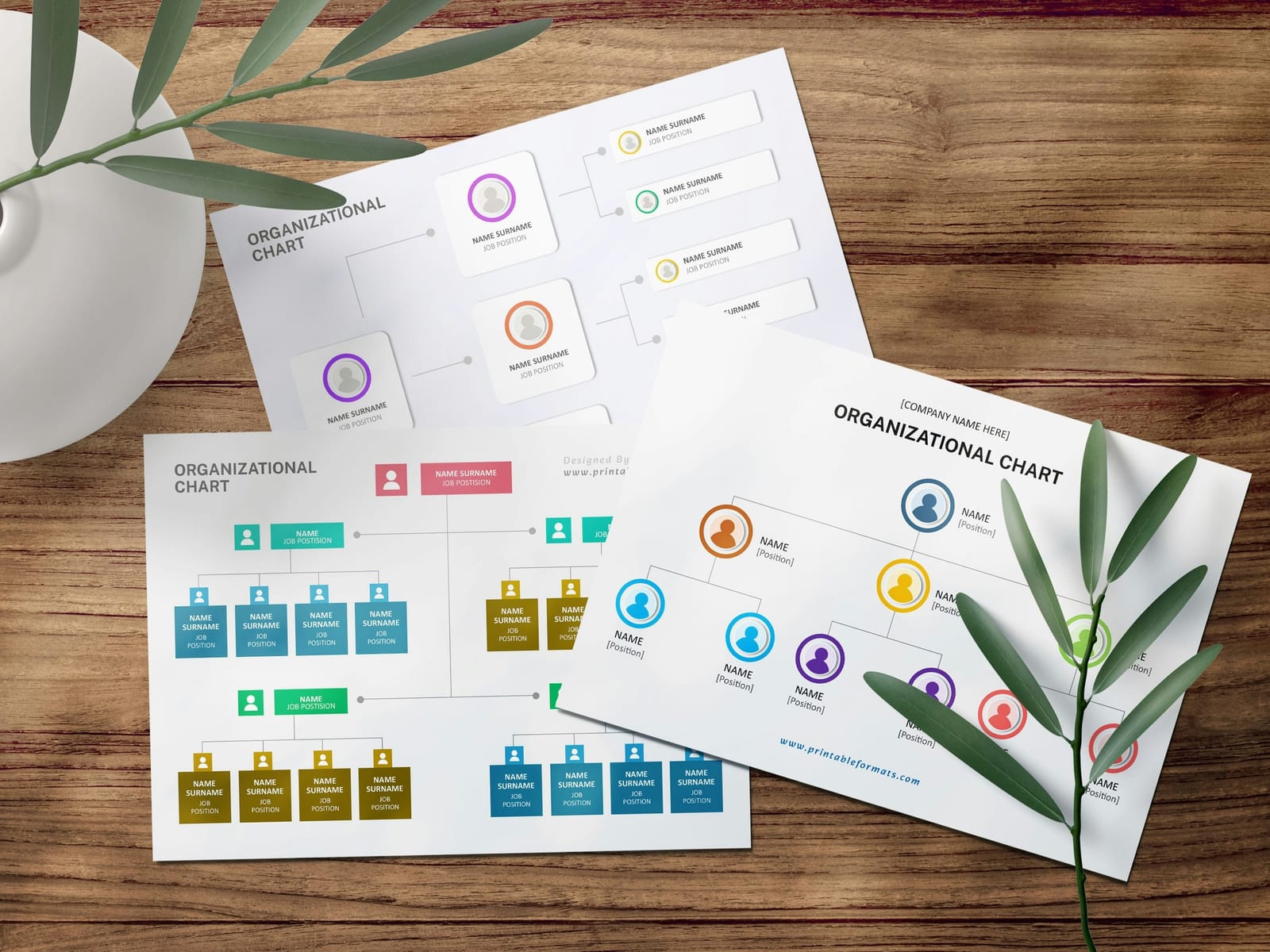
Reorgs change reporting lines. They rarely change how work actually flows. In the first 90 days after a reorg, the highest-value comms work is mapping informal influence, friction points, and the network of trusted relationships that carry decisions across teams. Then the messaging can start.
Read More
Three data-backed business trends shaping June 2026: women now hold more U.S. payroll jobs than men as male participation declines, Gen Z may be more fluent but skeptical about AI at work, and brands navigate a fractured America 250 where patriotism has become politically coded. What each shift means for leaders.
Read More
Four data-backed business trends shaping May 2026: AI dictation apps reshaping how offices work, emotion AI watching employees without consent, AI moving from a business story to a political and regulatory one, and a quiet but significant shift in how college-educated fathers are dividing their time between home and paid work.
Read More
Three data-backed business trends for April 2026: why nearly a third of workers are sabotaging their company's AI, why Gen Z is romanticizing 9-to-5 stability while struggling to find entry-level roles, and what the Artemis II mission can teach exhausted leadership teams.
Read More
Change volume surged 183% from 2020 to 2024. Research shows leaders' brains are hitting cognitive limits that undermine the decisions that matter most.
Read More
March's trends reveal a common thread: organizations are investing in new technology and strategy without investing in the capacity to change how people work. From AI adoption divides to silent burnout among high performers, these four workforce trends are shaping how leaders navigate 2026.
Read More
New research shows 14% of employees have job-hunted over bad feedback alone. Here’s what the data reveals about generational gaps and what to do about it.
Read More
Most organizations hand AI to IT by default — then wonder why adoption stalls. Here’s how to recognize the IT-ownership trap and build a governance model that actually delivers business results.
Read More
CEOs report AI saves them 8+ hours weekly; employees say less than 2 hours. RTO compliance surged as economic anxiety shifted workplace power. Corporate social responsibility rhetoric retreated. January's trends reveal widening gaps between how leaders perceive change and how workers experience it.
Read More
Client questions shifted in 2025—from "How do we build an AI strategy?" to "How do we get people to use the tools we bought?" Here's what our discovery calls revealed about what organizations actually need.
Read More
November revealed critical shifts in AI adoption, workforce models, and leadership confidence. Here's what organizations need to know.
Read More
Companies think they can eliminate entry-level jobs with AI. But they're defining work wrong—and the organizations that succeed will build new paradigms.
Read More
This month's trends reveal major shifts in how organizations approach AI, flexibility, and employee well-being. From the entry-level hiring crisis to the wellness program problem, leaders face hard choices about what comes next.
Read More
From hope-driven leadership to the death of SEO, August 2025 brought shifts in how we work and lead. Our monthly trends analysis reveals what forward-thinking leaders need to know.
Read More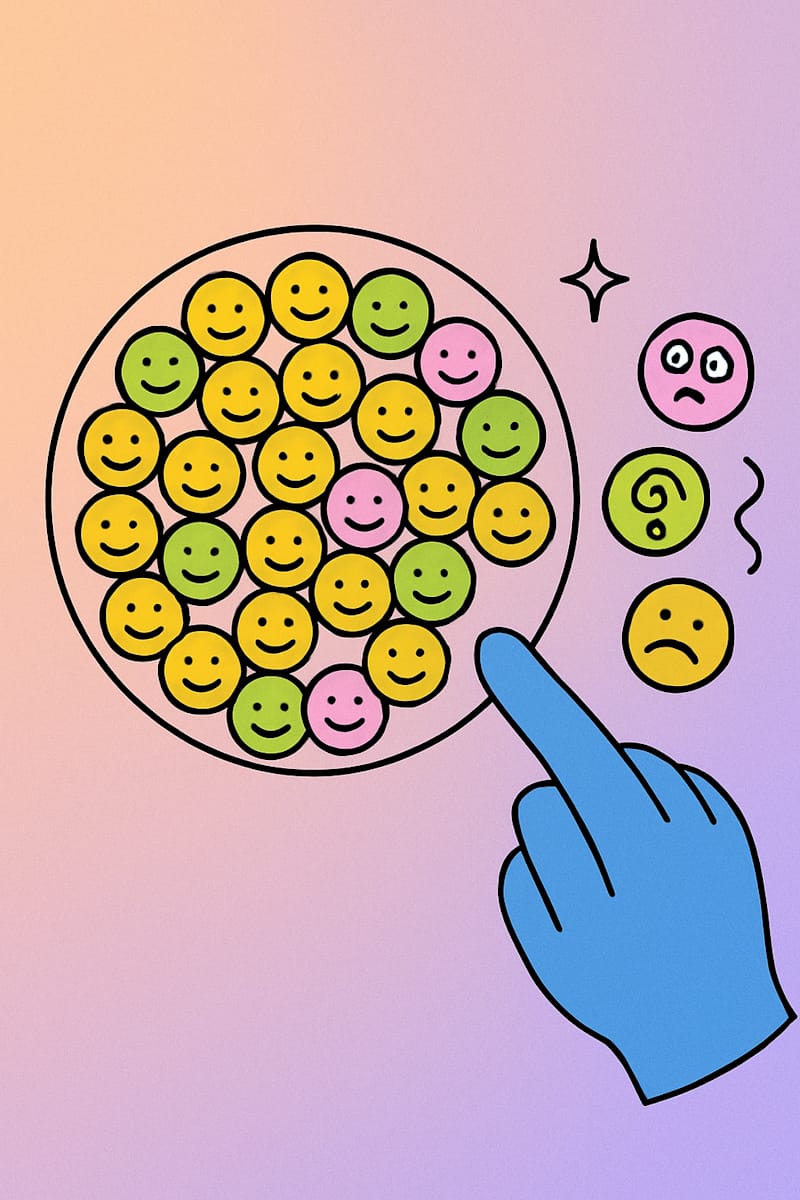
Traditional team building focuses on hiring star employees, but research reveals the real secret to exceptional performance: developing emotionally intelligent norms that bring out the best in every team member.
Read More
Algorithmic execs, Gen Z job “ghosting,” and widening trust gaps are upending the business playbook — get the July analysis.
Read More
While leaders focus on AI skills training, the real disruption is structural. AI agents are becoming actual team members, forcing organizations to rethink rigid hierarchies and create more fluid, responsive structures that operate at the speed of insight rather than bureaucracy.
Read More